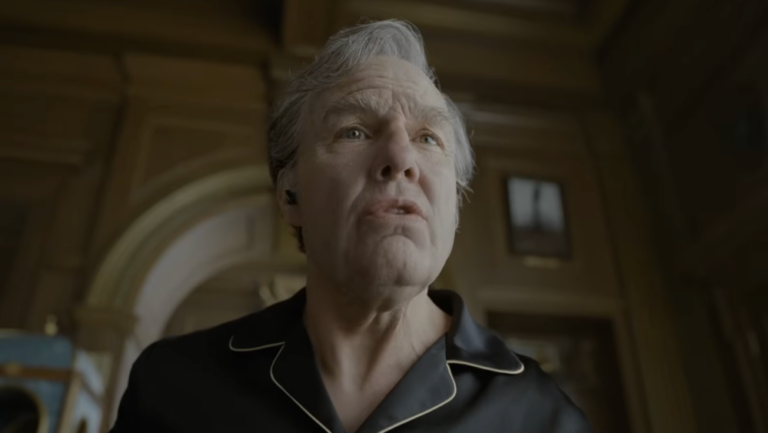

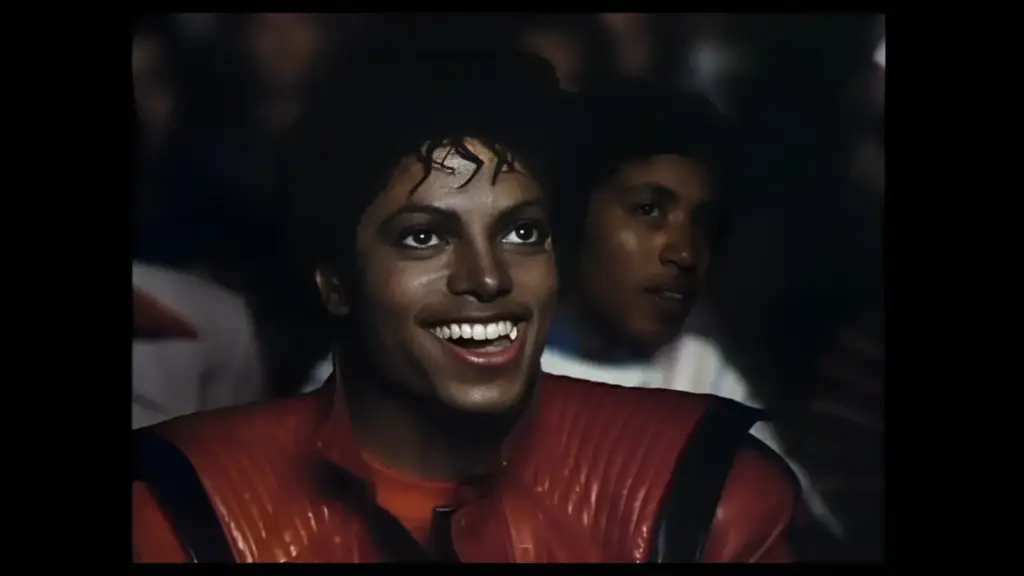
Sony Music has requested the removal of more than 260,000 AI deepfake songs from digital platforms, according to Billboard. The figure has nearly doubled since March, when the label reported 135,000 takedown requests to date.
The scale of the removal effort shows how quickly AI-generated soundalikes and unauthorized voice clones have flooded streaming services, and how labels are scrambling to keep up.
Sony Music AI Deepfakes: The Scale Of The Problem
A Sony Music representative told Billboard that the AI deepfakes “imitate our artists’ voices and likenesses without permission,” and that the surge “is almost double what we saw earlier this year. It’s happening at scale, and harms artists, misleads fans and undermines the ethical use of AI.”
The company said every fraudulent stream generated by these tracks diverts money away from the artists and songwriters whose work is being impersonated. Sony Music said it will “keep enforcing our artists’ rights and expect platforms to act quickly and to prevent the same content from reappearing,” though the representative acknowledged the fight is “becoming an uphill struggle.”
Major labels and streaming services have set up a notice-and-takedown procedure that lets trusted labels flag and remove deepfakes of their artists, according to Billboard. Sony Music said it is also working with partners across the industry to detect and stop the content before it spreads.
What It Means For Fans And Artists
For listeners, the flood of AI-generated tracks means a growing risk of mistaking a convincing vocal clone for a genuine release, something Sony Music says actively misleads fans. For artists, each fake stream represents lost royalty income and an erosion of control over how their voice and image are used.
The problem is not limited to Sony’s roster. French streaming service Deezer has reported that more than 90,000 fully AI-generated tracks are uploaded to its platform every day, suggesting the volume of synthetic music across the industry far exceeds what any single label can track.
Why There’s No Clear Legal Fix Yet
No federal law currently exists in the United States to prevent or stop the use of an artist’s name, image, likeness or voice in an AI deepfake or soundalike recording. Protection instead comes from an uneven patchwork of state-level laws that differ depending on where the deepfake originates, leaving labels to police the problem largely on their own.
Congress has tried to close that gap. The NO FAKES Act debuted as a draft bill in 2023 before its formal introduction in 2024. The bill reached the Senate floor and won nearly unanimous support, but Sen. Ted Cruz blocked its passage over concerns about its effect on satire and political commentary, according to Billboard.
What’s Next
With no federal protection in place, labels including Sony Music are responsible for identifying and removing deepfakes themselves, platform by platform. Sony Music’s statement that it is working with industry partners to detect and stop the content suggests more coordinated enforcement efforts may follow, but the fate of federal legislation like the NO FAKES Act remains tied to further action in the Senate.
Reporting from Billboard contributed to this story.
 Don't stop here
Every Score. Every Story. One Home.
Breaking sports, entertainment and news from across the Total Apex network, updated all day.
Get the Full Story →
Don't stop here
Every Score. Every Story. One Home.
Breaking sports, entertainment and news from across the Total Apex network, updated all day.
Get the Full Story →