
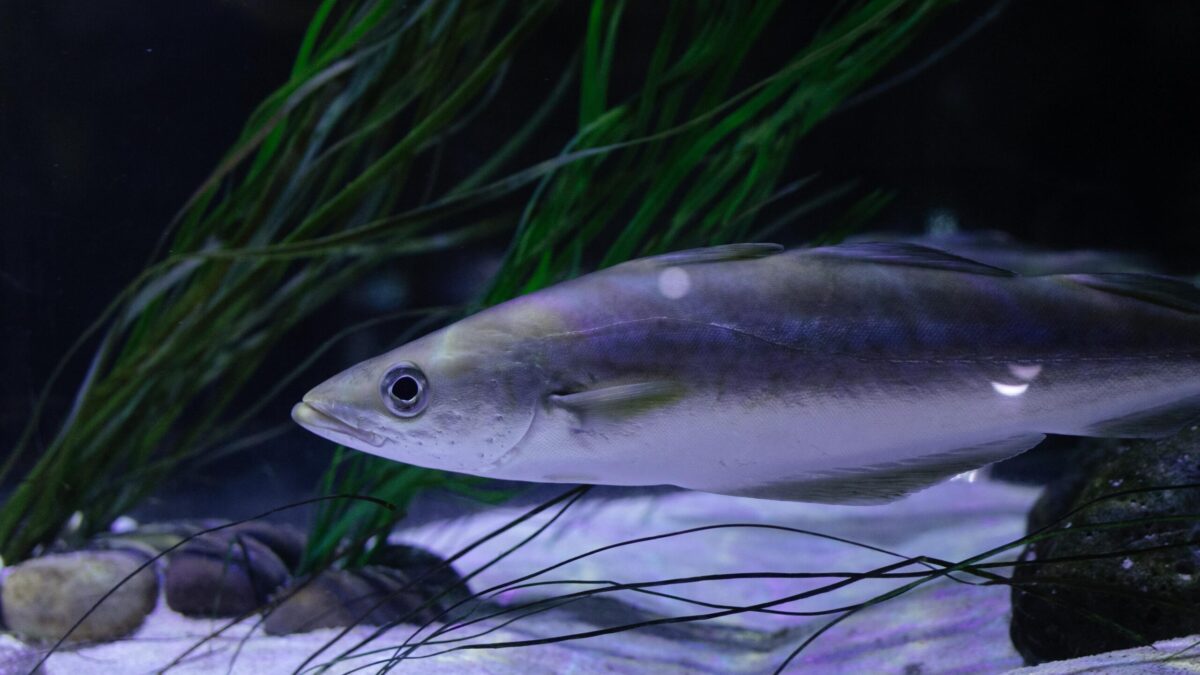
Alaska pollock, the whitefish that fills most of America’s fish sticks, sits at the center of a growing dispute over trawling practices in the Bering Sea, according to the Associated Press. Industrial trawlers that catch pollock also pull in salmon as bycatch, a byproduct that communities along the Yukon River say is deepening a crisis for their dwindling fish runs.
The conflict pits a major commercial fishery against Alaska Native villages that depend on salmon runs now restricted by conservation rules. In 2024, Alaska and Canada instated a seven-year ban on Chinook fishing along the Yukon River to let depleted salmon populations rebuild, according to the AP. The Kuskokwim River has faced repeated Chinook and chum salmon closures, and other Yukon salmon fisheries have been restricted for similar conservation reasons.
The Main Development In The Alaska Pollock Trawling Dispute
Salmon are caught as bycatch when pollock trawlers fish the Bering Sea, the same waters where salmon born in Yukon River tributaries migrate after years spent feeding at sea before returning to spawn, the AP reported. That shared habitat links subsistence villages far upriver to an industrial fishing fleet operating at sea.
Andrew Seitz, a professor of fisheries at the University of Alaska Fairbanks, said the burden of conservation measures falls unevenly. “The people who feel that they bear the brunt of the conservation measures are people along the river,” Seitz said, according to the AP.
Matt Tinning, CEO of the At-Sea Processors Association, which represents five Alaska pollock companies, defended the industry’s monitoring efforts. “The amount of science and management effort that goes into improving it is basically unprecedented anywhere,” Tinning said. He added that “the system is designed to really incentivize salmon avoidance every day, all the time.”
What It Means For Fish Stick Fans And River Communities
For anyone who has eaten a fish stick, the pollock behind it comes from one of the most heavily managed fisheries in the country, but the management effort has not erased tension over its side effects. NOAA has long used genetic testing to trace salmon bycatch, and since 2024 the Bristol Bay Science and Research Institute has produced weekly chum bycatch estimates from summer through fall to give the trawl fleet faster information on where western Alaska salmon are showing up, according to the AP.
Those numbers show the scale of the problem. In recent years, western Alaska fish made up an average of about 17% of chum bycatch and roughly half of Chinook bycatch, the AP reported. In 2021, western Alaska salmon accounted for 9% of chum bycatch, which equated to more than 51,000 fish.
Abby Duffy, who manages the Bristol Bay institute’s genetics lab in Dutch Harbor, described the effort as a trade-off. “We’re trying to play this balancing game between helping conserve western Alaska salmon for subsistence communities and maintaining a very valuable economic fishery,” Duffy said.
The broader bycatch picture extends beyond salmon. Alaska trawl fisheries discarded some 96 million pounds, or 44,000 metric tons, of bycatch in 2025 alone, according to the AP, an amount the news agency compared to roughly 100 fully loaded Boeing 747-8 aircraft. Linda Behnken, a commercial fisher and executive director of the Alaska Longline Fishermen’s Association, called the volume “extremely frustrating.”
Background On Yukon River Fishing Traditions
The Yukon River flows roughly 1,250 miles, or 2,010 kilometers, across Alaska before emptying into the Bering Sea, passing villages such as Rampart, an Alaska Native community along its banks, according to the AP. Families in these villages historically pulled nets and carried salmon to smokehouses during set times of year, a tradition that has been disrupted by closures.
Brooke Woods, a Koyukon Alaska Native, mother of six and commissioner for the Yukon River Inter-Tribal Fish Commission, described the loss in stark terms. “We have this big void in our lives right now,” Woods said. She added, “We’ve never had a generation that hasn’t had the opportunity to learn and be taught by elders and parents, and that has such a big impact on our youth.”
Seitz summed up the stakes for river communities directly. “Each fish is critical to communities along the Yukon River,” he said, according to the AP.
What’s Next
The seven-year Chinook fishing ban along the Yukon River, which began in 2024, remains in effect as conservation measures continue. The Bristol Bay Science and Research Institute is set to keep producing its weekly chum bycatch estimates each summer and fall, giving regulators and the pollock fleet ongoing data as the dispute between commercial trawling and subsistence fishing communities continues to play out.
More Unusual / Fascinating Stories news from Total Apex Entertainment.
 Don't stop here
Every Score. Every Story. One Home.
Breaking sports, entertainment and news from across the Total Apex network, updated all day.
Get the Full Story →
Don't stop here
Every Score. Every Story. One Home.
Breaking sports, entertainment and news from across the Total Apex network, updated all day.
Get the Full Story →