
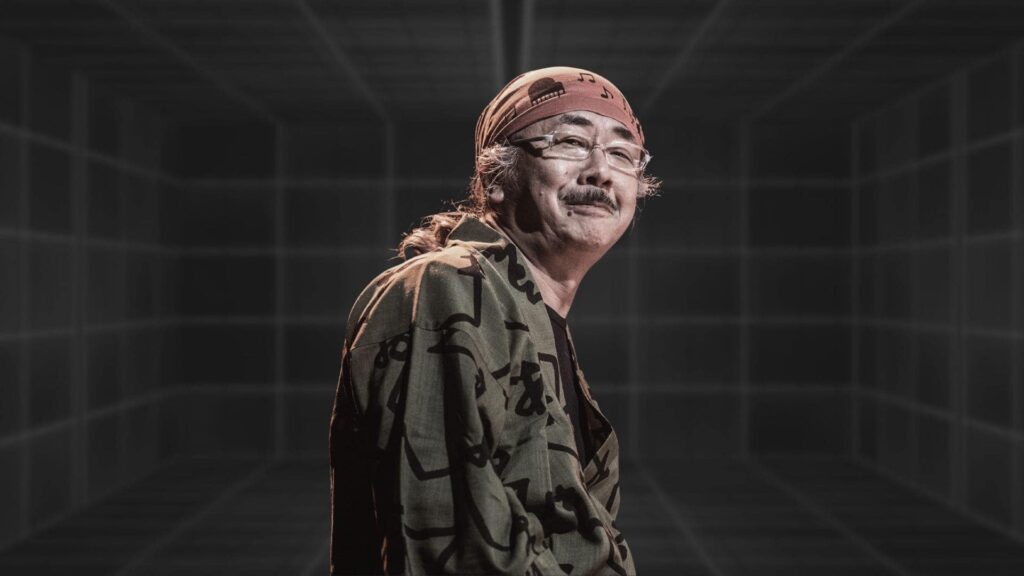
Final Fantasy composer Nobuo Uematsu shares why he refuses to use AI in music creation, emphasizing the irreplaceable value of human emotion, imperfection, and creative struggle in game soundtracks.
“More Rewarding to Struggle”: Why Nobuo Uematsu Rejects AI in Music
As generative AI continues to reshape creative industries, legendary Final Fantasy composer Nobuo Uematsu is drawing a clear line in the sand. In a recent interview with JASRAC Magazine, Uematsu expressed deep skepticism about AI’s role in music composition, stating,
“I’ve never used AI and probably never will. I think it feels more rewarding to go through the hardships of creating something myself”
For Uematsu, the essence of music lies not just in notes, but in the emotional fingerprints of its creator. He explained:
“When you listen to music, the fun is also in discovering the background of the person who created it”
That personal backstory, including the life experiences, imperfections, and emotional nuance, is something Uematsu believes AI cannot replicate.
The Human Touch in the Technological Age
While Uematsu acknowledges the rapid evolution of game graphics, he believes that game music reached its “final form” when studio recordings became the standard. He points to innovations like binaural audio, already used in Final Fantasy X, as meaningful advancements, but ones that still rely on human artistry to resonate with its players
Uematsu concedes that AI might eventually assist with technical aspects, like smoothing transitions between soundscapes in his music. However, he draws a firm boundary when it comes to emotional expression, stating:
“Even when it comes to live performances, music produced by people is unstable, and everyone does it in their own unique way. What makes it sound so satisfying are precisley those fluctuations and imperfections.”
Uematsu’s stance is not rooted in nostalgia for the music he creates in the game, but in a belief that creativity is inherently human. His comments echo a broader sentiment among many artists, producers, and creators who put their heart and soul into creating the things that make them passionate. Many of those artists and creators see AI as a tool, not as a replacement, for the emotional labor and personal storytelling that helps define great art.
As this article’s author, a writer myself in my own right, I would have to agree with Uematsu’s philosophy: there’s a depth to human creativity that AI struggles to emulate. Uematsu continues to inspire generations of composers and fans alike. His message is clear: true artistry is born not from shortcuts and AI-generated sounds but from the beautiful mess of actual human effort.
Thanks for Reading! Be sure to check out Total Apex Gaming for more Final Fantasy music and Uematsu’s progression in making beautiful music. And be sure to check out Total Apex Entertainment for more juicy celebrity gossip.