

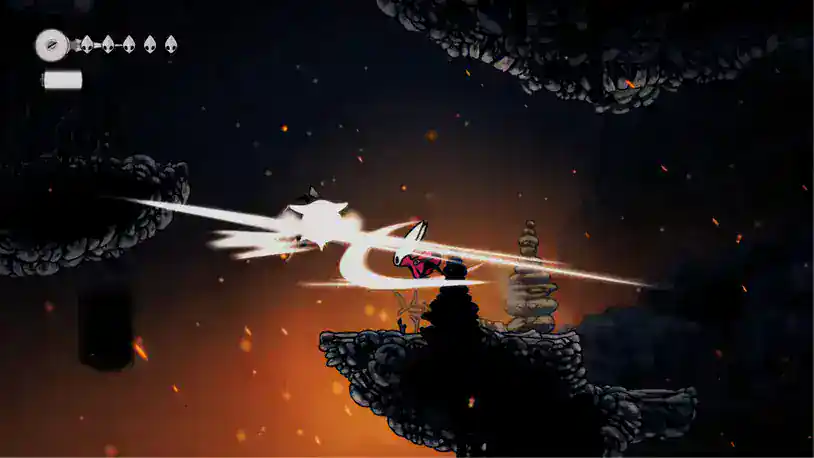
If you’ve been flailing through Hollow Knight: Silksong wondering why Hornet keeps face-planting into spikes instead of bouncing like a needle-wielding goddess, welcome. You’ve stumbled into one of Silksong’s most essential, least explained mechanics: the pogo jump. It’s back from the original game, but this time, it’s got a twist—and it’s absolutely mandatory if you want to survive places like The Marrow without rage-quitting.
What Is a Pogo Jump, Really?
In Silksong, pogoing is less a move and more a movement philosophy. It’s what happens when Hornet performs a downward-diagonal dive attack and connects with an enemy or a platforming object. The result? She ricochets upward like a spring-loaded blade dancer. It’s your key to vertical traversal, aerial combat, and not dying in lava.
But unlike Hollow Knight’s vertical strikes, Silksong demands diagonals. That means positioning is everything. You’re not just aiming down—you’re aiming with intention, with rhythm, with the kind of precision that turns platforming into choreography.
How to Perform the Pogo Jump
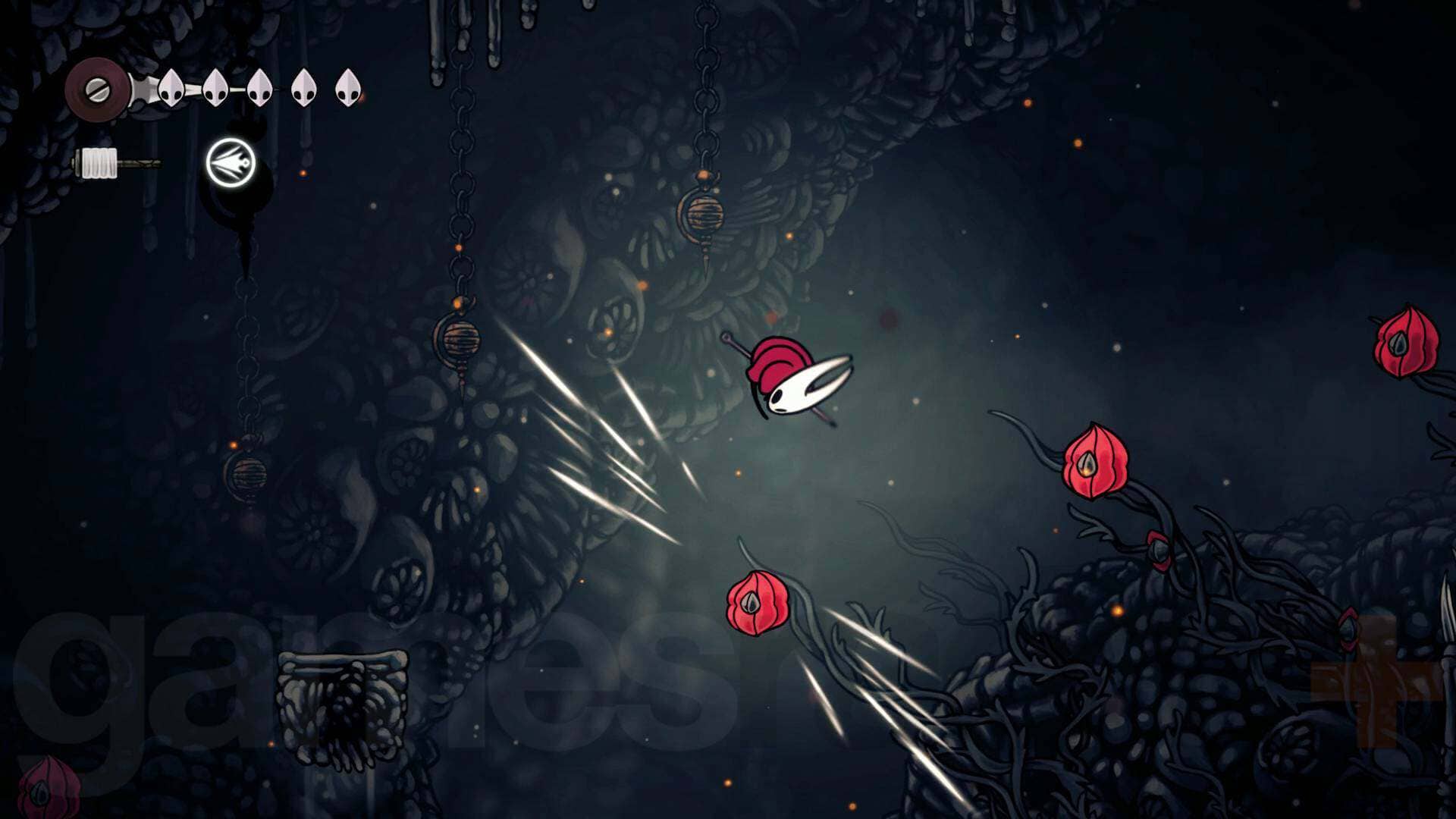
Here’s the ritual:
- Jump into the air
- Hold down + left or right (depending on your direction)
- Press the attack button while descending diagonally
- If you connect with something solid, Hornet will bounce upward
It’s deceptively simple. But the timing? That’s the real test. You need to hit the target at the peak of your descent. Too early and you’ll whiff. Too late and you’ll fall past it. It’s a mechanic that rewards muscle memory and punishes hesitation.
Why It Matters (Especially in The Marrow)
You’ll need to chain pogo jumps to climb red flowers in The Marrow—yes, those crimson blooms that look decorative but are actually traversal anchors. You’ll also use this technique to bounce off silver spikes (yes, really) and collect key items like Mossberries early in the game.
In combat, pogoing lets you deal damage while dodging enemy attacks. It’s aerial control. It’s vertical aggression. It’s the difference between dancing and dying.
Crests That Modify Your Bounce
Later in the game, you’ll find Crests—Silksong’s version of charms—that alter your air dive and pogo behavior. Some make the bounce more forgiving. Others change the angle or add effects. It’s modular movement, and it lets you customize Hornet’s aerial style to match your own.
Final Thoughts: Bounce or Be Broken
Silksong doesn’t explain the pogo jump. It expects you to learn it through failure. Through repetition. Through ritual. And once you do? You’ll move like Hornet was meant to—fluid, fierce, and airborne.
So go practice. Find a safe enemy or object. Nail the timing. Chain the jumps. And when you finally ascend through a flower field without touching the ground, you’ll know: this isn’t just a mechanic. It’s a rite of passage.