
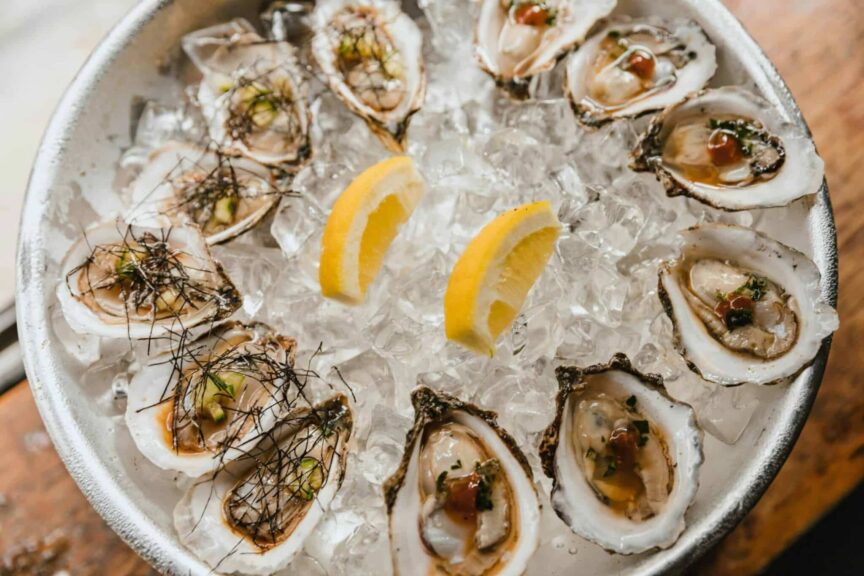
Health officials have confirmed two deaths in Louisiana and five in Florida due to infections caused by Vibrio vulnificus, a dangerous flesh-eating bacteria commonly found in warm coastal waters and raw or undercooked seafood.
Coastal Seafood May Carry Flesh-Eating Bacteria
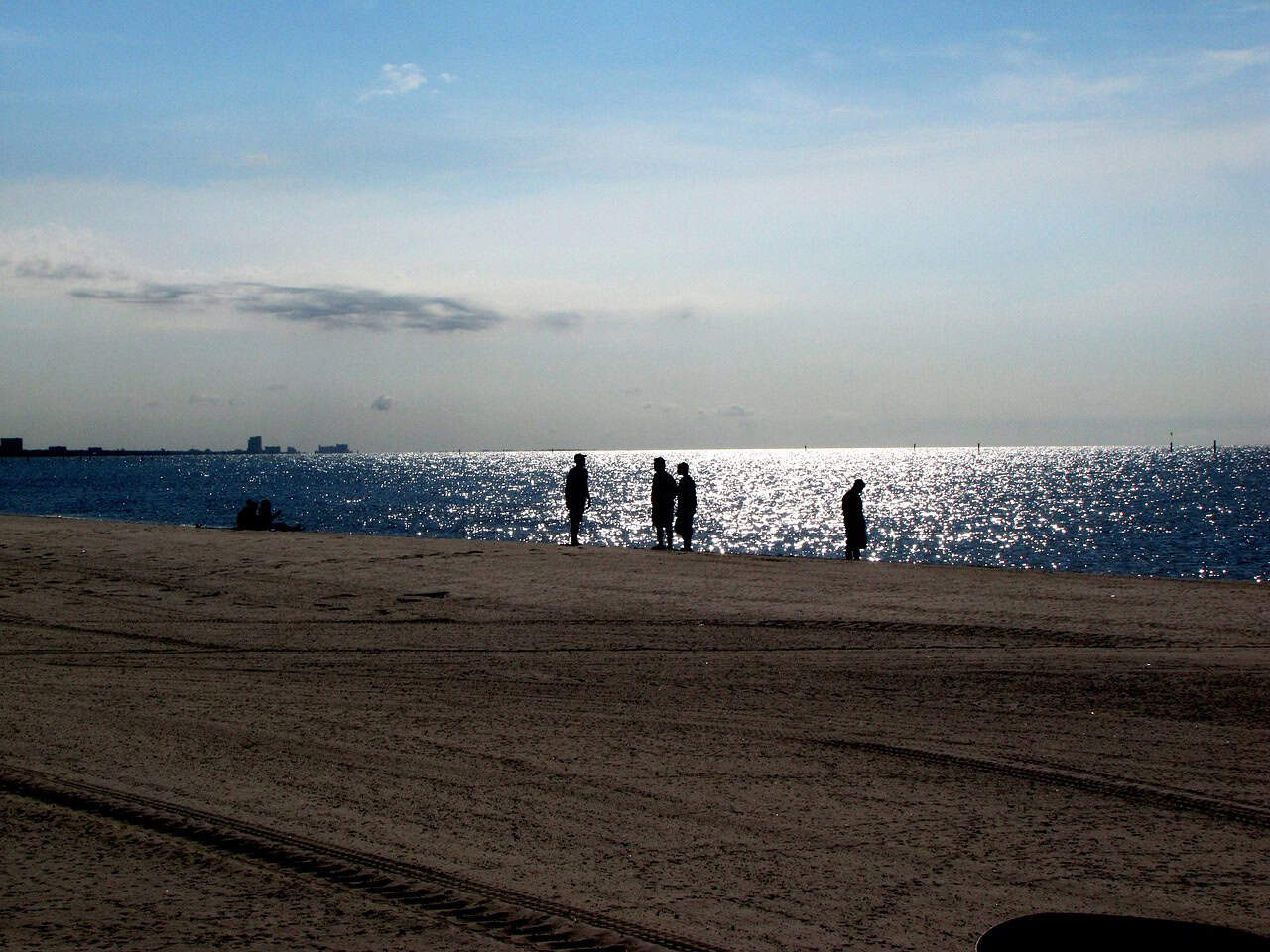
The Louisiana Department of Health reports 22 cases this year, with over 80% of them linked to exposure to open wounds in seawater. Florida has reported 23 cases and five deaths. The bacteria can cause necrotizing fasciitis, a severe infection that destroys skin and muscle tissue, often requiring intensive care or limb amputation.
Symptoms of Vibrio vulnificus Infection
Symptoms typically appear within 24 hours of exposure and escalate rapidly. They include fever, chills, nausea, vomiting, diarrhea, and painful skin lesions. In wound-related infections, the affected area may become red, swollen, and blistered, sometimes progressing to fluid-filled sores and tissue death.
National Contact Information:
For public health concerns or reporting suspected cases, contact the CDC at:
- CDC Emergency Operations Center: 1-800-CDC-INFO (1-800-232-4636)
- Website: CDC Vibrio Vulnificus Information HERE
This article is for informational purposes only and does not constitute medical advice. Individuals experiencing symptoms or suspecting exposure to Vibrio vulnificus should seek immediate medical attention. Always consult a licensed healthcare provider for diagnosis and treatment.