
AMC Rejects AI Short Film Screening After Public Backlash

Yeah, we know. AI is everywhere. From writing your emails to generating (highly) questionable art on your Instagram feed, it’s generally infiltrated every corner of modern life. But when word got out that an AI-generated short film was about to hit AMC theaters nationwide, the internet collectively lost its mind. Can you blame them? Let’s dive into it.
Igor Alferov’s AI Short Film
Here’s the rub: Kazakhstani director Igor Alferov’s AI short film “Thanksgiving Day” was supposed to debut in theaters across the country next month as part of a prize package from the Frame Forward AI Animated Film Festival. Sounds harmless enough, right?
Wrong. The moment everyone online caught wind of this plan, the backlash was swift – and brutal. People were not about to let AI infiltrate their freakin’ sacred moviegoing experience without a fight.
What Exactly Is “Thanksgiving Day”?
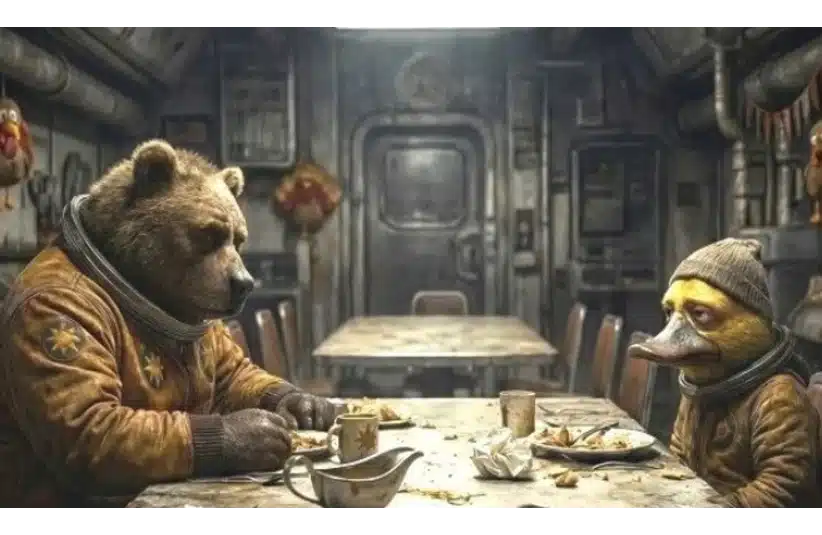
Before we dive deeper into the mire, let’s see what this AI short film actually is. According to the festival organizers, “Thanksgiving Day” follows a bear and his platypus assistant traveling through space in a spacecraft that looks like – wait for it – a dumpster.
The two encounter corrupt space cops, hygiene officials, and some bizarre food delivery service along the way. Quirky premise aside, the real controversy actually lies in how it was made.
Alferov created the entire thing using AI tools like Gemini 3.1 and Nano Banana Pro. No involvement of humans – no voice actors – just algorithms and prompts. And while the festival president called it “a masterclass in original storytelling,” plenty of folks online had other words for it – and most of them unprintable.
AMC Says “Not in Our House”
When AMC Theaters got dragged into the controversy, they didn’t waste any time setting the record straight. The chain issued a statement per Variety making it crystal clear that they wanted absolutely nothing to do with this AI experiment:
“This content is an initiative from Screenvision Media, which manages pre-show advertising for several movie theatre chains in the United States and runs in fewer than 30 percent of AMC’s U.S. locations. AMC was not involved in the creation of the content or the initiative and has informed Screenvision that AMC locations will not participate.”
Translation? “Don’t blame us for this mess, and we’re definitely not showing it.” It’s worth noting that Screenvision Media – the third-party company that handles those endless pre-show ads you sit through before the trailers – co-organized the festival alongside Modern Uprising Studios. They’re the ones who cooked up this whole plan, not AMC directly. But when you’re the nation’s largest theater chain, you’re probably going to catch heat regardless.
The Bigger Picture: Why Everyone’s So Heated
Here’s the thing about AI-generated content in entertainment: it’s not just about whether the technology can produce something watchable. It’s about what it represents. Every AI-generated film is built on the work of actual human artists whose creations were scraped and fed into these algorithms often without permission or any compensation. It’s like showing up to a potluck with store-bought cookies and claiming you baked them from scratch.
The entertainment industry has been grappling with AI for a while now. Writers and actors went on strike partially over concerns about AI replacing human creativity. Visual effects artists have watched their jobs disappear as studios turn to cheaper AI alternatives. So when a major theater chain appears to embrace AI content – even if it’s just during the pre-show – it feels like another nail in the coffin for working artists.
Plus, have you seen most AI-generated content? Yeesh. It’s got that uncanny valley thing going on. Dead eyes, weird movements, nonsensical details that make your brain itch. The screenshot released from “Thanksgiving Day” shows a couple of animal astronauts with that telltale AI look – soulless and slightly off-putting. Not exactly the quality you want representing cinema on the big screen.
Will Other Theaters Screen It?
AMC bailing on this project raises an obvious question: will other theater chains pick up the slack? Screenvision Media provides content to multiple chains beyond AMC, though the company hasn’t commented on which ones might still screen the short. Given the public response, though, other chains might think twice before volunteering to be AI guinea pigs.
Modern Uprising Studios isn’t backing down, though. Their president Joel Roodman acknowledged that the theatrical run would be “truncated” but insisted the film would still find an audience through their planned “massive immersive theatrical venues.” The first location is supposedly coming to New York within the year. Whether audiences will actually show up to watch the AI-generated content in these new venues remains to be seen.
The Future of AI in Theaters
This controversy highlights a fundamental tension in entertainment right now. AI companies and their supporters argue that this technology represents the future – a democratization of filmmaking that lets anyone with an idea become a creator. Critics counter that it’s really just theft with extra steps, undermining the livelihoods of actual artists while flooding the market with mediocre content. (Also known as AI slop.)
It’s worth noting that “Thanksgiving Day” wouldn’t be the first AI content shown in theaters. Last August, Runway’s AI Film Festival screened a collection of AI shorts in 10 IMAX locations. But those were specialty screenings for audiences who specifically wanted to see experimental AI work. Slipping an AI short into regular pre-show programming felt different and more invasive, like AI content was being normalized whether audiences wanted it or not.
What This Means for Moviegoers
For now, if you’re headed to AMC, you can rest easy knowing you won’t be subjected to AI space bears and platypuses riding in a dumpster before your feature film. But this whole situation raises questions about what kinds of content we’ll encounter in theaters going forward. Will other chains embrace AI shorts as cheap filler? Will audiences accept it, or will the backlash continue?
The entertainment industry is now at a crossroads. Technology is advancing far faster than we can collectively decide how to use it ethically. And while some see AI as an exciting tool that can enhance human creativity, others view it as an existential threat to artistry itself.
One thing’s for certain: this won’t be the last time we see this battle play out. Theater chains could risk alienating the audiences on which they depend, if they don’t tread the AI battle very carefully.
