
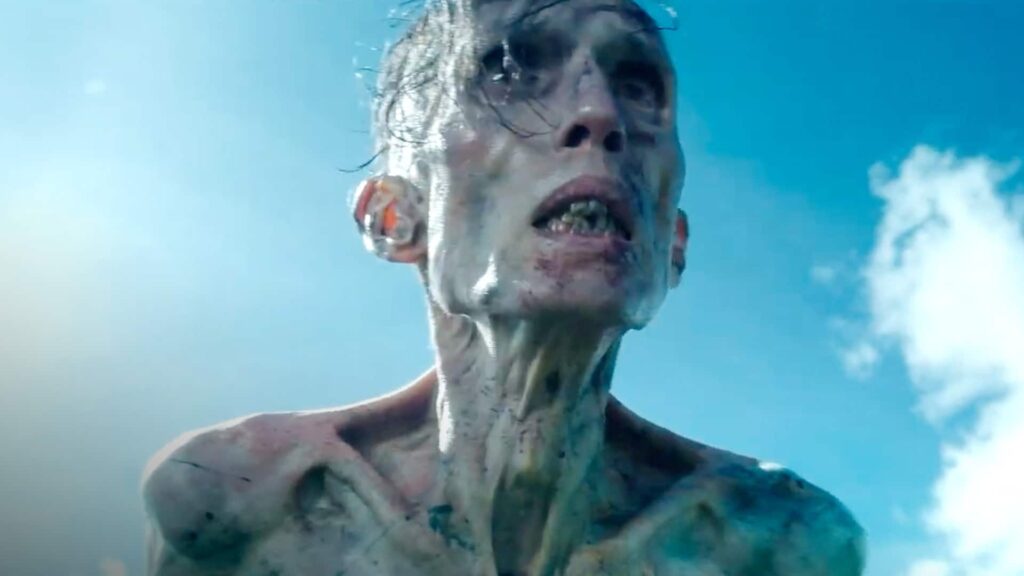
Do you hear that? The rush of wild footsteps and ripping flesh. After almost two decades, the Rage virus is still spreading. 28 Years Later is back with a vengeance by Director Danny Boyle and Writer Alex Garland, with a new look that will break the rules of horror once again. With the Rage virus having conquered most of the world, a group of colonial survivors continues the decades-long battle with the infected ragers. 28 Years Later is set to release in cinemas on June 20, 2025.
The Rage Virus Ignited a New “Zombie”

Boyle released his post-apocalyptic viral film 28 Days Later in 2002, introducing the Rage virus to the horror world. The origin of the Rage virus started in an animal testing lab containing infected monkeys. Virologists were testing vaccines against the virus; however, a group of animal rights activists broke into the lab and released the animals. The virus is transferred through the exchange of bodily fluids, giving the host a matter of seconds before turning.
The 2 differences between traditional zombies and Rage zombies are that the virus only infects the living, and the infected attack anyone without dietary preference. Most of the zombie films before showed reanimated corpses feasting on brains, while Rage Zombies are living infected humans who just want to rip and infect people. The Rage virus cannot spread in a dead body because, like actual viruses, it needs a living host to nest and reproduce its gene code. Once the infected host dies, so does the virus.
28 Years Later: A Close Encounter with Wide Filming
In 28 Days Later, we are introduced to the Rage virus’s contagion spread at lightning speed and disfiguring its hosts. 28 Weeks Later, the follow-up sequel in 2007, establishes the concept of being an asymptomatic host and/or having viral immunity. For the upcoming film, 28 Years Later, we will see how human society and the virus have changed over the years.
Boyle and Garland used the COVID-19 pandemic years as inspiration for 28 Years Later‘s storyline and decided on a small colony on an island that is physically closed off from the raging United Kingdom mainland. The team wanted to engulf the audience in the world as if they were on the lookout for the monsters. To do this, they implemented wide cinematic shots using a panorama of iPhones to achieve a 2.76:1 widescreen perspective. With the gore and action of the movie, this will intensify the audience’s unease, as if they’re the ones running for their lives.
Brain Food (Final Thoughts)
Since the sequel’s release in 2007, Boyle and Garland wanted to make up for the 18-year-long gap with this new filming method. It is an interesting way to reintroduce older fans and welcome new horror lovers into the franchise’s world. 28 Years Later is going to be a unique addition to the series, with familiar and new characters surviving the post-pandemic chaos. From what we can tell, Boyle and Garland’s passion for revitalizing their abominations with love and gore will give a whole new world of fear we haven’t felt since 2002.