
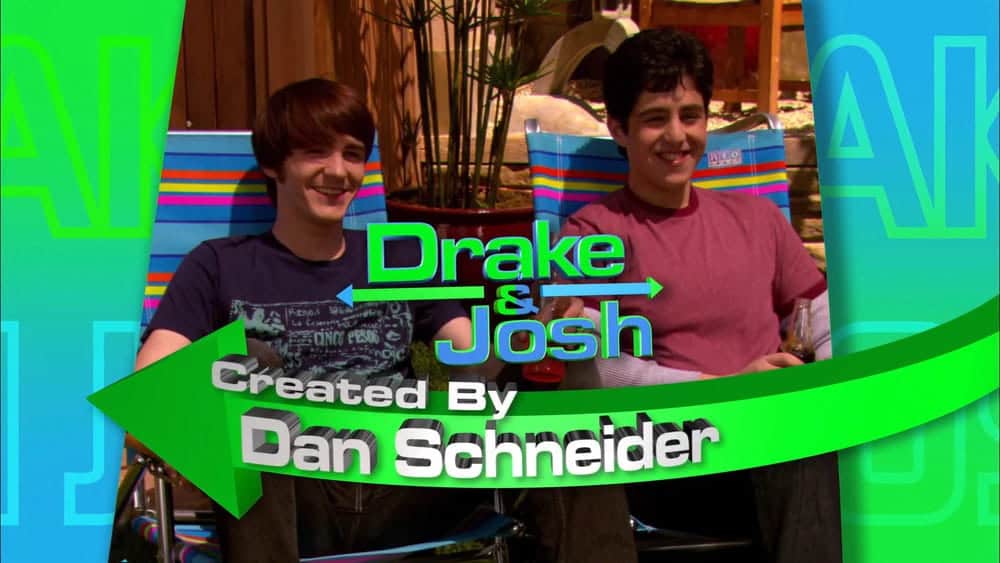
Drake Bell, beloved for his role in Drake & Josh, has pulled back the curtain on a troubling truth: despite the show’s continued popularity, he and co-star Josh Peck haven’t earned a single cent in residuals. That’s right—zero. And while the series climbs Netflix’s Top 10 and airs on multiple networks, Bell is left wondering how to pay his rent.
The Myth of TV Wealth
On a recent episode of the Unplanned podcast, Drake Bell shared what many fans never imagined: “People think, ‘Oh, I saw you on TV, you’re rich.’ That’s far from the case.” For Bell and many other Nickelodeon stars, residuals—the payments actors typically receive when shows are re-aired—simply don’t exist.
It’s a harsh reality for a show that defined a generation. Drake & Josh ran for four seasons, ending in 2007, but its cultural footprint remains massive. And yet, Bell says, “Netflix just bought it, it’s top 10 on Netflix… and I gotta figure out how to pay my rent this month.”
Syndication Without Compensation
Drake Bell’s revelations go deeper. He explained that the original contract for Drake & Josh includes a clause stating that the network owes nothing for syndication—no matter where or how the show is broadcast. Even if reruns were aired “across universes and galaxies and planets,” Bell wouldn’t see a dime.
Meanwhile, guest stars with just a few lines continue to receive checks. Bell’s frustration is palpable: “Everyone in television gets paid in residuals. That’s how you make the majority of your money.”
A Bigger Problem Than Just Drake Bell
This isn’t just about one actor. Drake Bell’s story echoes those of other former child stars, including Miranda Cosgrove, Jennette McCurdy, and cast members from Diff’rent Strokes. The pattern is clear: young performers in hit shows are often left out of fair compensation, while networks and parent companies rake in profits.
The public perception of wealth—fueled by fame and nostalgia—rarely matches the reality. And for many, the emotional toll of exploitation runs just as deep as the financial one.
Will Speaking Out Spark Change?
Bell’s honesty may be the catalyst for a broader conversation about how media companies treat their talent—especially the young stars who helped build their empires. As fans continue to stream Drake & Josh, it’s worth asking: shouldn’t the people who brought these characters to life share in the success?
So next time you hear the theme song—“I never thought that it’d be so simple but…”—remember: for Drake Bell, it still isn’t simple. And maybe it’s time that changed.