
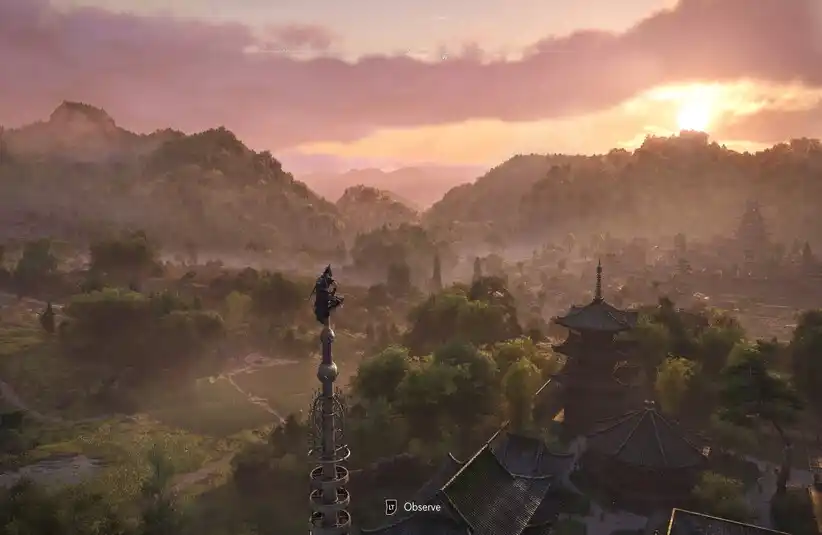
Following the success of “Assassin’s Creed Shadows,” the gaming community continues to question the franchise’s future director. Simon Lemay-Comtois, the associate game director, discussed the next potential installment in a recent interview, offering crucial advice to other development teams. He stressed that future titles must treat parkour as a fundamental pillar of design, not an afterthought. So, what happened with the series’ most iconic movement system that required this change of focus?
The Next Evolution of “Assassin’s Creed”
Lemay-Comtois acknowledged that the last three major RPGs—”Origins,” “Odyssey,” and “Valhalla”—often sidelined fluid parkour. Instead, the developers prioritized designing the game’s sprawling landscapes. Notably, those worlds featured vast deserts and oceans instead of dense, climbable cityscapes. As a result, the signature free-running that defined earlier “Assassin’s Creed” games took a backseat.
To rectify this mistake, the team is now actively working on the post-launch support for “Shadows,” pushing the narrative that parkour truly matters. Will upcoming projects like the mobile-focused Jade or the mysterious Codename Hexe prioritize this return to form? Fans’ desire for the physicality and verticality of classic “Assassin’s Creed” is the reason for this refocus on better parkour mechanics.
No More Sidelining the Signature Sprint
For now, players are hoping that a manual jump button, a beloved feature from past games that “Mirage” successfully reintroduced, will be added to “Shadows” sooner rather than later. With rumors of a potential “Black Flag” remake, more questions are raised about how modern parkour philosophy would blend with naval exploration. Moving forward, the series must find a way to successfully merge its expansive RPG ambitions with tight, intricate movement.
Looking ahead, Ubisoft’s internal goal is clear: to push parkour forward as a core, celebrated mechanic. So, what key lesson did the development of “Assassin’s Creed Shadows” provide for the entire franchise? The team recognizes that re-elevating parkour as a central gameplay pillar is a necessity for new installments. Specifically, future titles must integrate seamless movement directly into their world design from the start. That way, the developers can recapture the physical thrill that first made the series iconic.